Light Tree: A Designer’s Review for Personalized Gifts
As an embroidery designer who has spent countless hours digitizing and testing patterns, I approach every new machine embroidery design with a mix of curiosity and critical scrutiny. When I first loaded the Light Tree file into my software, I was immediately drawn to its gentle aesthetic. It sits comfortably within the Forest category, yet it avoids the heavy, dark tones often associated with woodland themes. Instead, it offers a whimsical, airy feel that translates beautifully into thread. For those of us running small shops or selling on Etsy, finding a design that balances visual appeal with technical reliability is crucial. After putting Light Tree through its paces on various fabrics, I am ready to share how this design performs in real-world applications.
The First Impression: Mood and Charm
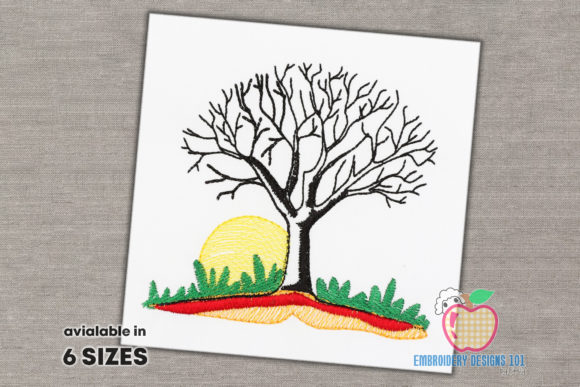
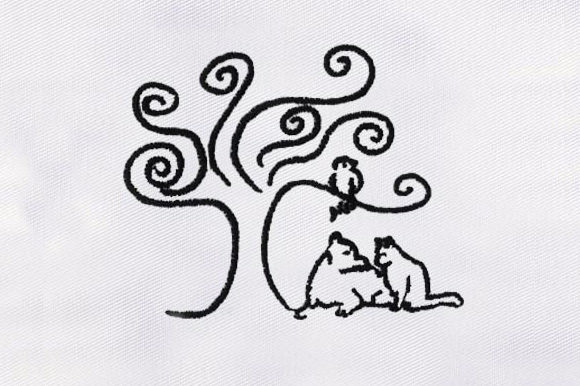
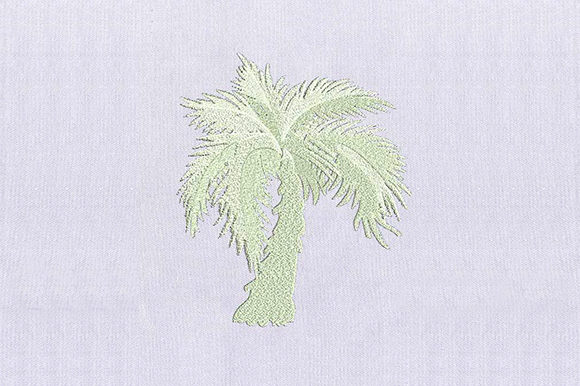
The immediate vibe of Light Tree is one of serene elegance. It is not overly complex, which is often a blessing for production efficiency, but it retains enough detail to feel special. The lines are clean, suggesting a modern yet timeless approach to nature-inspired motifs. This makes it incredibly versatile. It does not scream "seasonal," meaning it can be sold year-round, unlike pumpkin designs for autumn or snowflakes for winter. The emotional appeal here is subtle; it evokes feelings of growth, stability, and natural beauty. For a customer looking for a personalized gift, this design serves as a perfect canvas. It is sweet without being childish, and romantic without being cliché. Whether you are targeting new parents, couples, or home decor enthusiasts, the mood of this piece feels welcoming and warm.
Versatility in Product Application
One of the strongest assets of Light Tree is its adaptability across different product types. In my testing, I explored several common items found in handmade marketplaces. Here is how the design held up in specific scenarios:
- Baby Embroidery: On a soft muslin swaddle or a cotton onesie, the design looked delicate and precious. It works wonderfully for nursery decor, adding a touch of nature to a child’s room without overwhelming the space.
- Kitchen and Home Textiles: I stitched Light Tree onto a linen tea towel. The result was a charming embroidered towel that felt high-end. The open spaces in the tree branches allowed the fabric texture to show through, enhancing the handmade quality.
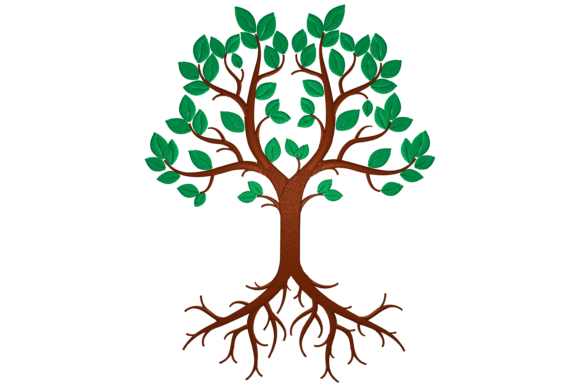
- Wedding and Keepsake Items: For a wedding gift, imagine this design on a pillow cover or a tote bag used for carrying gifts. It suggests roots and growth, making it metaphorically rich for couples starting a life together.
- Apparel and Accessories: On a canvas tote or a denim apron, the design stood out boldly. It transforms a basic item into a small shop product that commands a higher price point due to its custom look.
For Etsy sellers, this versatility means you can create multiple listings from a single digital embroidery file. You can market it as part of a baby shower collection, a housewarming series, or a bridal suite, maximizing the return on your design investment.
Technical Considerations and Fabric Choices
While Light Tree is robust, no design is universal without proper preparation. As a professional, I must highlight where caution is needed. The success of any custom embroidery project relies heavily on the interaction between the needle, the thread, and the fabric.
Fabric Texture and Stability: This design performs best on stable, woven fabrics like cotton, linen, or canvas. When I attempted to stitch it on a highly textured terry cloth towel, some of the finer details got lost in the loops of the fabric. If you are working with thick towels, consider using a topping stabilizer to keep the stitches sitting on top of the pile. Conversely, on stretchy baby clothes, the lack of adequate stabilization can lead to puckering. Always use a cut-away stabilizer for garments that will be washed frequently to ensure the design remains crisp over time.
Thread Colors and Contrast: Because Light Tree relies on line work and shape rather than dense fill areas, thread color choice is critical. On dark fabrics, you must ensure high contrast. A light beige or silver thread on navy blue looks stunning, but a dark green on black will disappear. I recommend creating a printable mockup or digitally simulating the design on different background colors before stitching. This helps customers visualize the finished product and reduces the likelihood of returns due to unexpected visibility issues.
Stitch Density and Detail: The stitch density appears moderate, which is ideal for speed and fabric integrity. However, always check the smallest details after a test run. If you notice thread breaks or gaps in the thinner branches, you may need to adjust your tension or switch to a sharper needle. Since the exact specifications such as hoop size and exact stitch count are not provided in the brief description, it is vital to check these details in the file information before purchasing or beginning production. Ensuring the design fits your standard hoop size—whether 4x4, 5x7, or larger—is essential for workflow efficiency.
Enhancing Giftability and Perceived Value
From a business perspective, Light Tree adds significant value to a product. A plain white pillowcase is a commodity; a pillowcase with a beautifully stitched Light Tree is a handmade product with soul. This distinction allows for higher pricing margins. Customers are not just buying fabric; they are buying the emotion and effort embedded in the stitch.
The design fosters an emotional connection. When a customer receives a blanket with this tree embroidered on it, perhaps accompanied by a personalized name or date, it becomes a heirloom. This increases customer trust and satisfaction. High-quality presentation is key here. When photographing your items for online listings, ensure the lighting highlights the texture of the thread against the fabric. Show close-ups of the stitch quality to prove the durability and precision of your work. This transparency builds confidence in your brand as a provider of premium commercial embroidery.
Final Verdict for Makers and Sellers
In conclusion, Light Tree is a reliable and aesthetically pleasing addition to any embroidery designer’s library. It bridges the gap between simple and sophisticated, making it suitable for a wide range of personalized gifts. Whether you are creating baby items, wedding keepsakes, or home decor, this design offers the flexibility needed for a diverse product line.
Remember to always test on scrap fabric first. Check your thread color contrast, confirm your hoop size compatibility, and review the license terms to ensure you are cleared for commercial sales. By paying attention to these practical details, you can leverage Light Tree to create stunning, high-value items that resonate with customers looking for something truly special. For those in the Forest niche or general nature-loving markets, this embroidery design is a worthy investment that promises both beauty and functionality.